









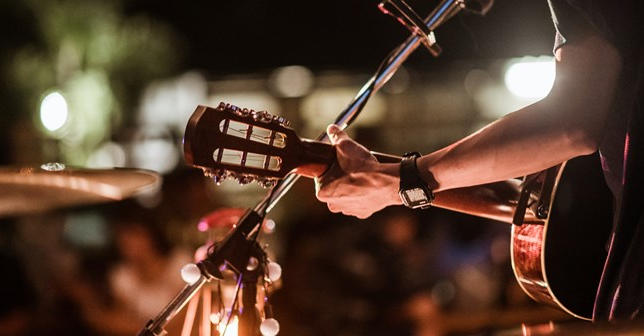
A “sparrow lifestyle” and a lack of public transport are among the reasons the Sunshine Coast’s night-time economy is struggling, a UniSC study has found.
UniSC lead researcher Dr Lenny Vance surveyed 10 local representatives, including venue owners, musicians and peak body members, saying the findings paint a “trying picture”.
Dr Vance said the cost of living is “biting in multiple ways”, including operating and supply costs, while staff are increasingly unable to afford living close to venues.
He said the Coast’s “sparrow lifestyle” (early to bed, early to rise), along with changing behaviours among Gen Z, are also contributing factors.
Business owners remain positive
However, businesses remain optimistic about recovery following the Covid-19 pandemic.
“There are some perceptions in the industry that authorities are against live music, and that they are stifling operators with licensing and noise complaints,” Dr Vance said.
“This is not actually the case.
“The existing legislation, which is mostly state government-based, forces councils to act if even a single community complaint is made. We need to review these legislative constraints.
“Council has actually included a thriving night-time economy as a key ingredient in its economic and community development strategies.”
The report also found potential for growth, with areas like Noosa Junction identified as possible models for the sector.
Local scene shows signs of life
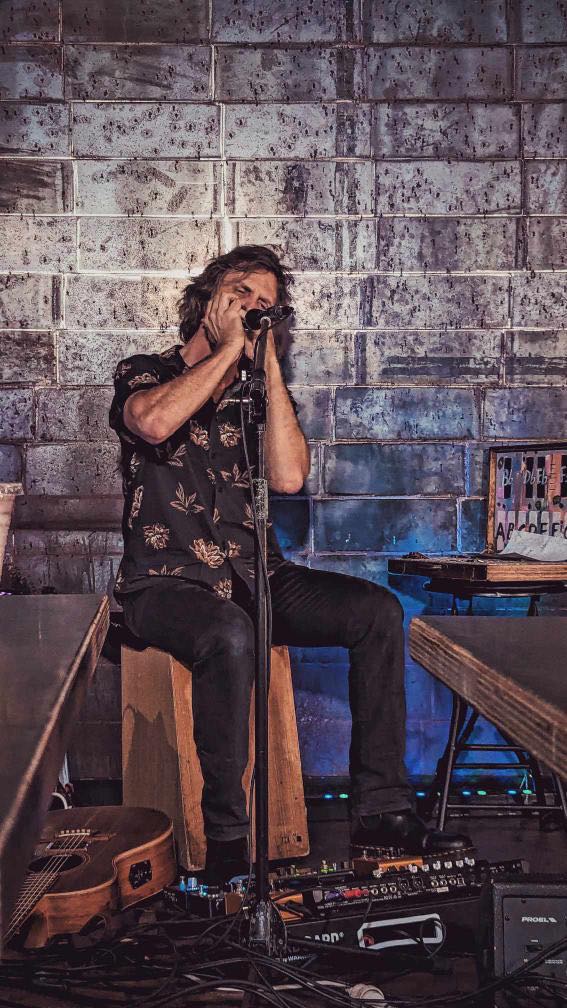
Longtime champion of live original music and community concerts, Jay Bishoff (pictured), recently hosted an event at new Noosa venue New York Minute to a packed house.
“This is the moment for the Junction to decide: do we want to preserve and continue to build a vibrant, authentic, locals-based live music and nightlife scene,” he said.
“Or do we want to sterilise it and put it to sleep, joining the sad fate of other coastal areas?”
Mini entertainment hubs recommended
Other recommendations from the UniSC research include establishing a mid-sized 2,000-capacity venue in Maroochydore and reworking existing industrial spaces.
Dr Vance said he hopes to see the development of local entertainment “hubs”, similar to Noosa Junction and Maleny Lane.
“The Coast is realistically a spread-out string of villages.
“We need to stimulate the development and promotion of these local hubs and normalise this behaviour as we work towards the 2032 Olympics and Paralympics.”
Social media users have their say
Locals also took to the UniSC Facebook page to share their views.
Luke Mills said: “We need more venues to attract different kinds of people.
“What I’ve noticed about the nightlife on the Coast is that if you’re not a hot tradie or surfer dude or a basic bimbo, there’s essentially nowhere you can fit in.
“It’s a very cliquey environment wherever you go because there’s no diversity in the kind of entertainment the Coast has to offer. Brissy is a million times better.”
Emma Mitchell put the focus back on the university, saying: “I honestly think the UniSC Sippy Downs campus is ridiculously under-utilised.
“We could be creating an arts and culture hub, but we don’t even hold end-of-year creative industries showcases there.”
Justin Raderson blamed the high number of retirement-aged residents “who aren’t into a rowdy night out”.
Have your say
UniSC researchers are now seeking public feedback on the state of the Sunshine Coast’s nightlife.














Pingback: 'This is not a drill. Once the nightlife is gone, it’s gone.' Noosa Junction businesses speak out against noise complaints - Yelo Mag