







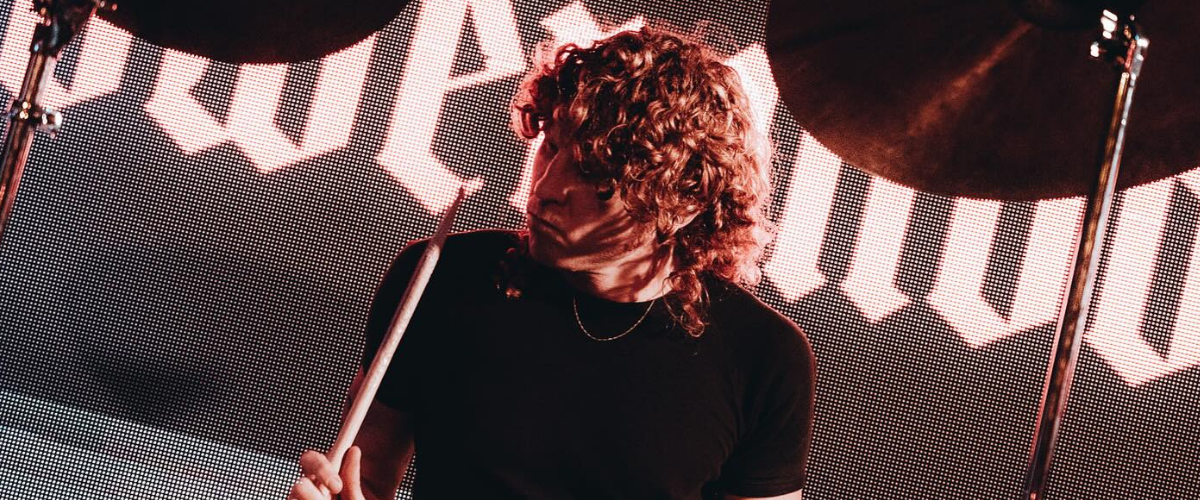
Photo by Dameeka Middleton. Words by Penny Brand.
Over the past year, live music venues across Australia have begun quietly closing their doors. Each announcement lands like the sudden loss of a loved one.
People rush to blame a cause: rising costs, changing crowds, management, council, bad luck or simply, “the times”.
The instinct is to treat every closure as a single tragedy.
But when it happens in different towns, different states, and different types of rooms, it stops being one story. It becomes a pattern.
On the Sunshine Coast, that pattern is a reality with the closure of The Station, and the end of an era at Solbar after more than 20 years of shows.
These weren’t short runs, they were full cultural lifespans. Their closures don’t erase what they were, but they mark a turning point.
The Sunshine Coast Music Industry Collective is hosting a public meeting today (Wednesday, February 25) at 4:30pm to discuss the future of the local live music community.
How the Australian live music model changed
To understand the present moment, you have to see how the model changed over time.
1970s–1990s — The pub rock contract
Australian live music grows inside pubs.
An unspoken agreement forms:
music brings the crowd, alcohol pays for the room.
It works. Scenes expand across cities and regions.
2000s — The national circuit
Touring routes stabilise.
Regional venues become reliable stops between capitals.
Bands can play regularly and survive.
Live music isn’t highly profitable, but it’s sustainable.
2010s — Slow pressure
Dining and gaming replace band rooms.
Insurance, compliance and security costs rise.
Residential development moves into nightlife areas.
Margins shrink, but the system holds.
2022 — Costs surge
Power, rent, wages and touring expenses jump sharply.
A quiet night now loses serious money.
Venues must stay consistently busy to survive.
2023 — Behaviour shifts
Crowds return differently:
go out less often
drink less
arrive later and leave earlier
choose large events over weekly gigs
Demand remains. Frequency disappears.
Nightlife is no longer the default way people unwind. Some prioritise health and early mornings, some stay home more, some favour occasional festivals over weekly outings, and others simply socialise differently. The connection hasn’t disappeared, it has diversified. And the late-night bar model wasn’t built for that.
The weekly live music economy begins failing nationwide.
2024 — Discovery moves online
Audiences no longer attend gigs to discover music.
They attend artists they already know.
Support slots weaken. Walk-in audiences largely vanish.
2025–Now — The model breaks
Alcohol revenue no longer offsets the risk.
Closures accelerate across Australia.
Not because people stopped caring,
because the funding mechanism stopped working.
A personal note about live music in 2026
Live music isn’t dying.
We’re watching the end of an agreement that music needed alcohol to exist.
For decades we called them music venues, but financially they were bars hosting music. That worked while behaviour matched the model.
People still want connection and live performance, just not always through late-night drinking culture.
So when venues close, it feels like culture is disappearing.
What’s actually disappearing is the subsidy.
This may not be a collapse, but a transition.
Music standing on its own value.
Future spaces won’t look like the old ones: all-ages, daytime, community-supported, mixed-use cultural rooms.
Not bars with stages, places built for music first.
We’re not at the end of a scene.
We’re at the point where the scene decides what it becomes.