









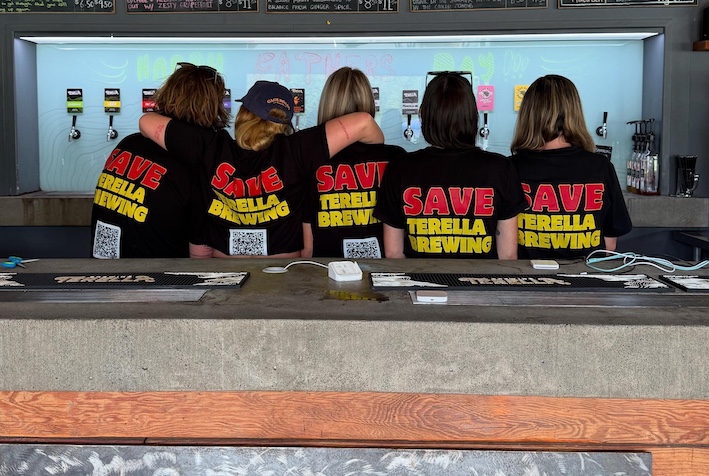
Photo: Staff at Terella Brewing via Facebook
The rural brewery will host a final run of events before shutting, adding to a growing list of venue losses across the region.
UPDATE (Mar 6): Sunshine Coast Council has now issued a public response following Terella Brewing’s open letter about the venue’s closure.
In a statement, Council said compliance action against the North Arm property relates to land-use approvals, stating the site was approved for intensive horticulture rather than large-scale public events.
Council said activities including food service, amplified entertainment and ticketed gatherings required planning approvals that were not in place.
Terella Brewing’s owners have disputed aspects of the council’s statement and say they hoped the open letter would lead to direct discussions with councillors.
The exchange highlights ongoing tensions between rural event venues and planning rules as the Sunshine Coast continues to grow.
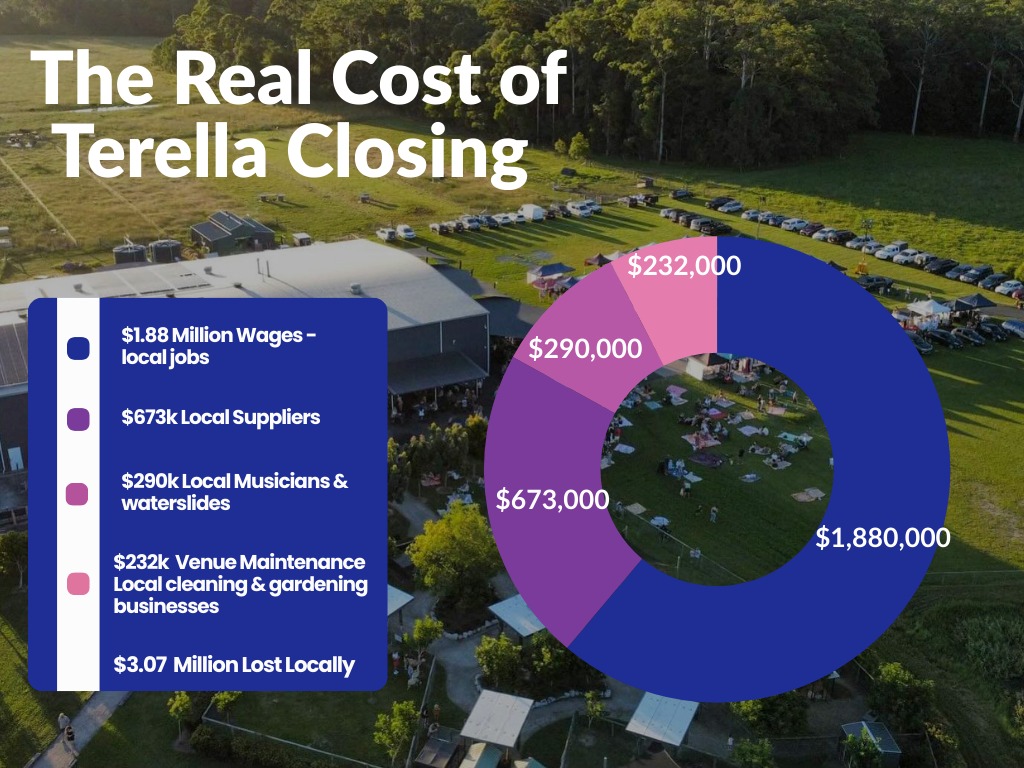
UPDATE (Feb 27): Terella Brewing Company has released new figures outlining the economic impact of its closure, stating the venue spent more than $3 million locally over the past two years across wages, musicians, suppliers and maintenance services.
The brewery says the loss will extend beyond hospitality, affecting the broader Sunshine Coast live music ecosystem and surrounding small businesses.
Earlier report (Feb 26):
Terella Brewing Company will close its North Arm venue after more than five years operating as one of the region’s most popular rural gathering spaces.
The paddock brewery, which opened in November 2019, will remain open for three more weeks before its final events.
In a statement posted online, the venue said:
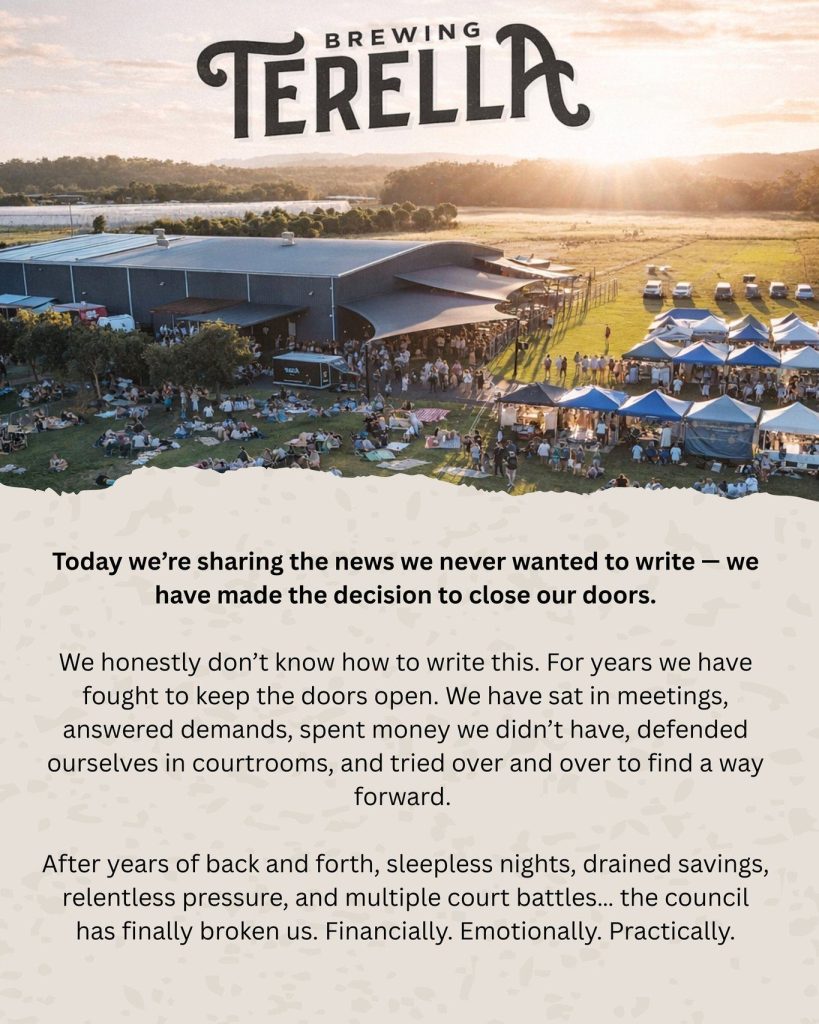
“Today we’re sharing the news we never wanted to write — we have made the decision to close our doors.
“We honestly don’t know how to write this. For years we have fought to keep the doors open. We have sat in meetings, answered demands, spent money we didn’t have, defended ourselves in courtrooms, and tried over and over to find a way forward.
“After years of back and forth, sleepless nights, drained savings, relentless pressure, and multiple court battles… the council has finally broken us. Financially. Emotionally. Practically.”
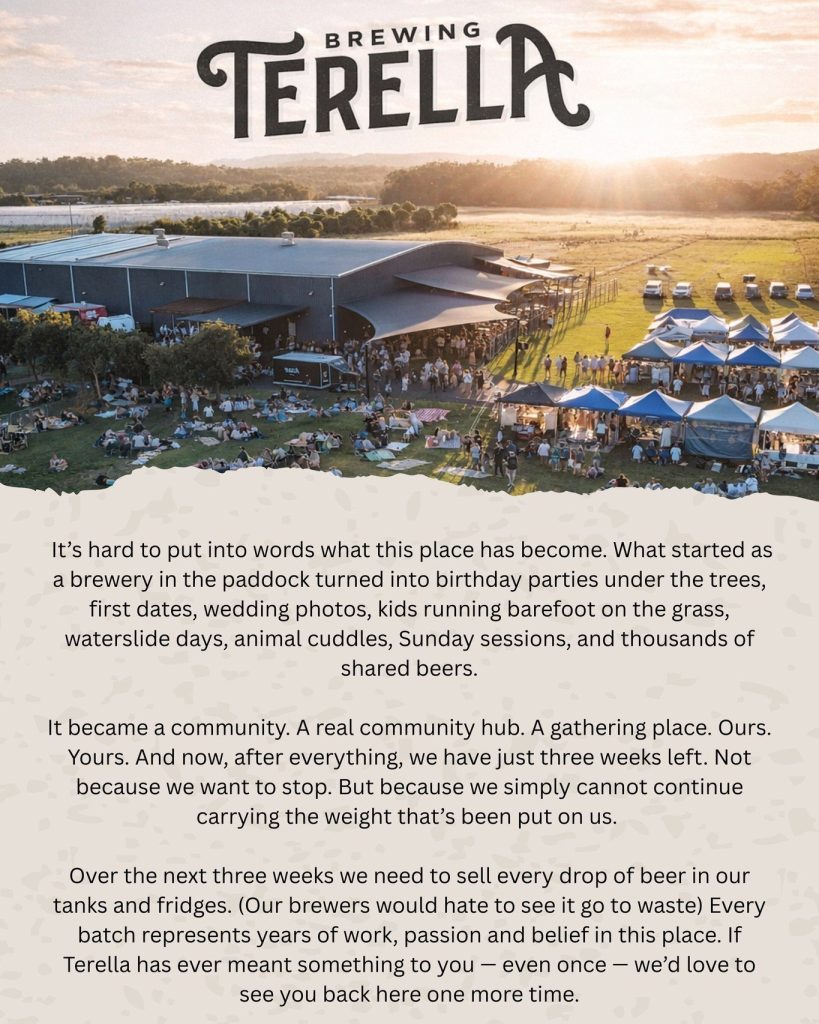
Read the full statement:
Planning dispute behind venue closure
The venue’s decision to close follows an extended planning dispute involving noise complaints and event approvals at the property.
Located on rural land near residential properties, the site attracted complaints about amplified sound and the scale of gatherings.
Terella became known as a hybrid brewery and community venue, hosting markets, food events and live music in a rural setting outside Yandina.
The closure relates to site-specific planning and compliance issues rather than a standard commercial shutdown.
Across the Sunshine Coast, the announcement arrives during a period of change for live music spaces.
The Station closed earlier this year and Solbar is set to shut this week, each under different circumstances, prompting wider discussion about how venues operate as the region grows.
At a community meeting held by the Sunshine Coast Music Industry Collective (SCMIC) at Solbar last night, industry figures, residents and local representatives began early discussions about what the future of live music on the Coast should look like.
Similar tensions have affected other parts of the Coast. Peregian Originals also faced residential concerns, while businesses in Noosa Junction reported impacts linked to noise disputes.
Council has also drawn criticism over compliance actions affecting smaller community gatherings, including a music club in Conondale and a ukulele group asked to leave public park spaces.
Together, the situations reflect a broader challenge for a rapidly growing region: how entertainment spaces operate within increasingly residential environments.
Population growth, post-pandemic migration from southern cities and changing expectations around nightlife are reshaping the Coast’s identity. While demand for culture has increased, suitable locations, and agreed operating conditions have become harder to balance.
The situation highlights ongoing challenges around how event-based venues operate within residential and rural zoning areas.
For broader discussions around the future of live music on the Coast head to scmic.org.














Pingback: How Live Music Venues Are Surviving Tough Economic Times - YELO