







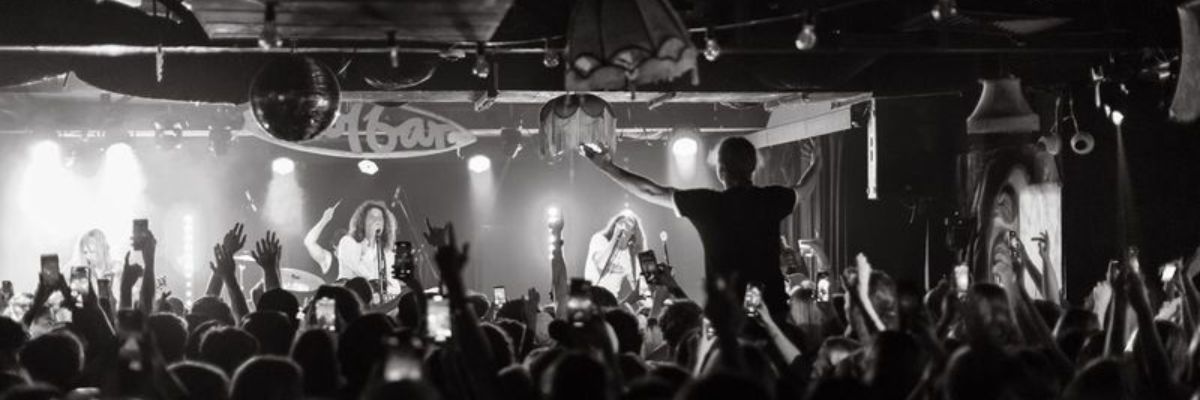
A packed room at Solbar in Maroochydore. Photo: Dameeka Middleton.
A new University of the Sunshine Coast study has found a sense of belonging can be just as important as the event itself when it comes to getting people through the doors.
Researchers surveyed 577 Sunshine Coast residents and found people were more likely to return to venues and spend money when they felt an emotional connection to the place.
But a stronger-than-expected factor was what researchers called “place identity”, the feeling that a venue, precinct or region reflects a person’s values and becomes part of how they see themselves.
Lead researcher Dr Lenny Vance said the biggest lesson was that nightlife could not be built on programming alone.
“I think the biggest learning is you can’t just build a nightlife offer, you need to build a sense of place.”
Dr Vance said atmosphere mattered because people developed emotional and symbolic connections to places, and those connections were linked with how often they attended and how much they spent.
The peer-reviewed paper identified four key factors: safety, transport, quality and social considerations. All significantly influenced nightlife use and spending. Place identity helped explain how those factors shaped behaviour, with stronger effects among people reporting higher levels of FOMO.
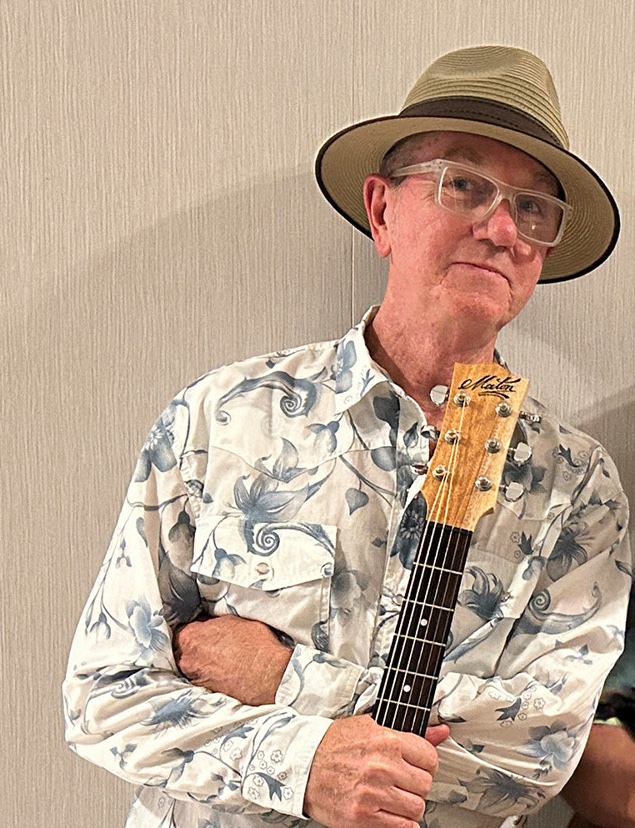
Dr Lenny Vance. Photo: UniSC.
Belonging, FOMO and the Sunshine Coast nightlife puzzle
The study also looked at how people use “third places”, meaning social spaces outside home and work where people can build a sense of community and belonging.
That question is particularly relevant on the Sunshine Coast, where communities are spread across multiple hubs rather than centred around one major nightlife precinct.
Researchers said that layout created challenges for event organisers, particularly in a region that has experienced strong population growth and high levels of interstate migration.
They also found FOMO, or fear of missing out, remained a powerful motivator, helping some people overcome the barriers that might otherwise keep them at home.
But the study noted post-pandemic behaviour had changed, with younger people increasingly prioritising personal time and wellbeing rather than automatically chasing the next big night out.
The findings also build on earlier UniSC research YELO covered in 2023, when Dr Vance described the Sunshine Coast as a “spread-out string of villages”, identified transport as a major barrier to nightlife and called for stronger local entertainment hubs as the region worked towards the 2032 Olympic and Paralympic Games.
The findings echo concerns already being raised by the local music industry. Following the loss of Solbar and The Station, the Sunshine Coast Music Industry Collective described live music venues as cultural assets, not just businesses, while identifying transport, youth participation and sustainable venue models as key challenges for the region.
The Australian Live Music Business Council has also pointed to changing audience habits, with younger crowds increasingly seeking safer, more social live music experiences.
Research started with live music
The project began as an investigation into the nighttime economy and challenges facing live music and entertainment, but researchers said the findings could also apply to sporting clubs, community groups and volunteer organisations.
The paper was published in the Journal of Services Marketing and involved UniSC researchers Dr Vance, Associate Professor Rory Mulcahy, Dr David Fleischman, Dr Henry Dugmore, Dr Andy Ward and Dr Lachlan Goold.
Dr Vance is also President of the Sunshine Coast Events Industry Association.
What this means ahead of 2032
The findings land as the Sunshine Coast prepares for a wave of 2032-related investment. Council’s Legacy Action Plan includes better transport connections, more accessible venues and events, and showcasing local arts, culture and First Nations heritage to a global audience.
The proposed Maroochydore arena is also intended to host entertainment, cultural and community events beyond the Games, making the question of what creates lasting place identity more than an academic one.
That question is already playing out in Maroochydore, where the former Solbar site is being transformed into Coyote’s Roadhouse, a new 500-capacity country venue with two live music stages. The building is familiar to generations of local gig-goers, but the new operator will still have to create its own sense of place and community.
The research also comes shortly after the release of Queensland’s Nightlife Commissioner Report and the State Government’s Nightlife Economy Action Plan, which YELO has been tracking as the state prepares for Brisbane 2032.