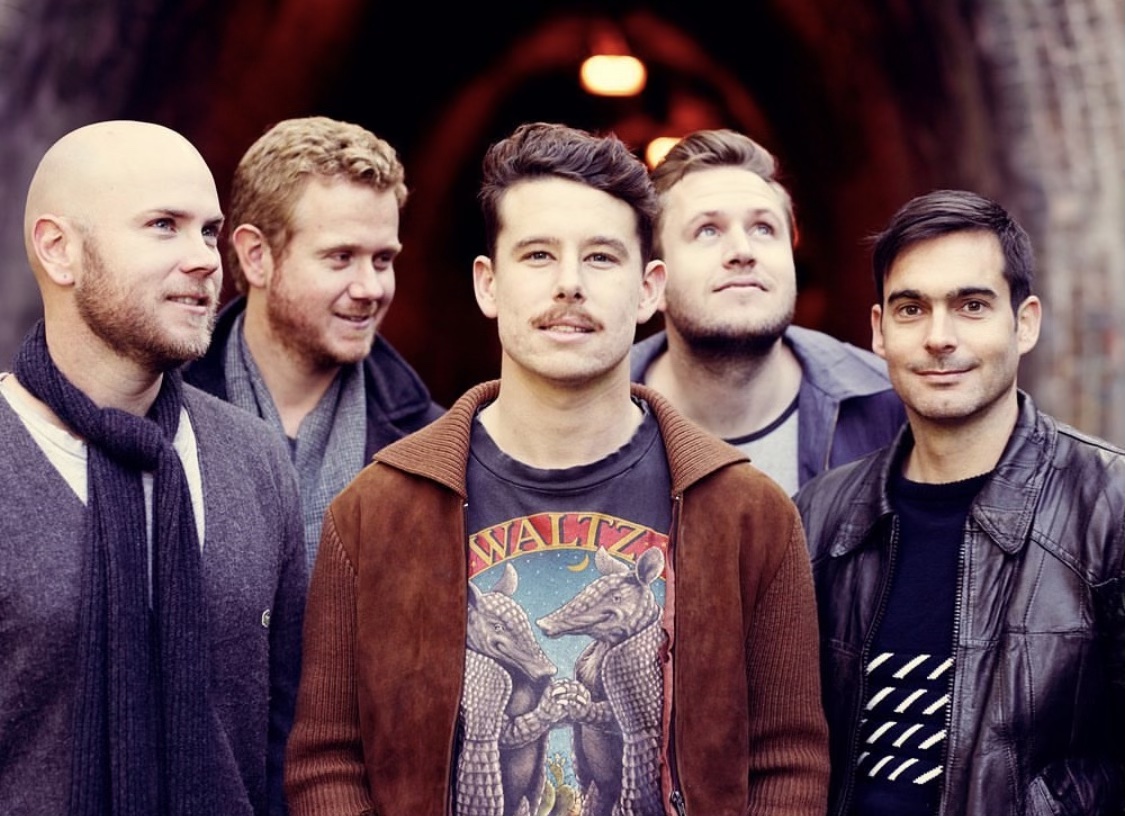








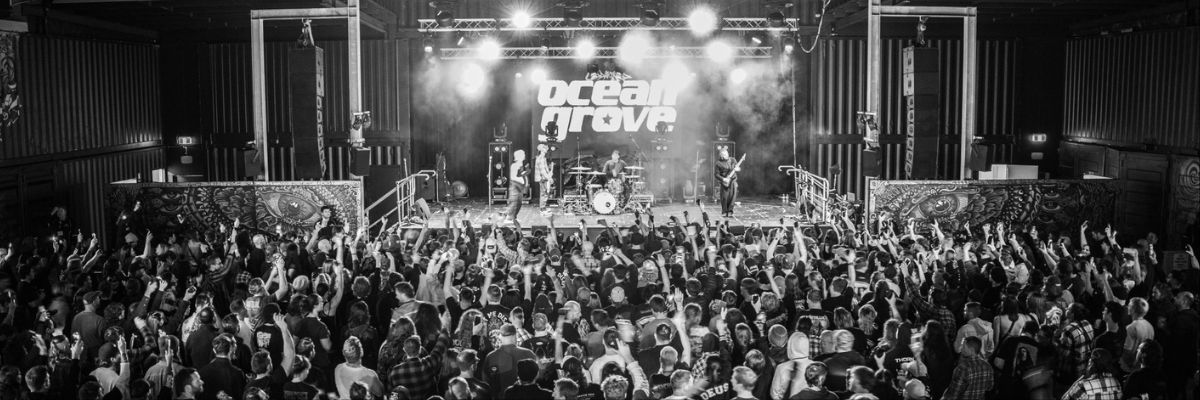
Ocean Grove played at The Station on the Sunshine Coast before it closed in early 2026. Photo: Marc Roberts for YELO.
The old rhythm of going out has weakened.
Not because people have stopped wanting music, company or nights that feel worth remembering, but because the terms have changed. A night out now competes with rising costs, low energy, broken discovery and a culture increasingly organised around staying home. Across Queensland, that shift has become harder to ignore, with the closures of Solbar, The Station and The Zoo sharpening concern about what local nightlife can still sustain.
People still want live music. They still want atmosphere, release and the feeling of being part of something larger than their own routine. But wanting a scene and turning up for one are no longer the same thing.
The bridge between the two has become harder to cross.
1. It costs too much
This is the clearest reason, and the hardest to argue with. Going out now rarely means just buying a ticket. It means rising fuel prices, parking, dinner, drinks, maybe childcare, and the quiet calculation of whether the whole thing will feel worth it by the end of the night. Music Australia’s Listening In research found cost is the primary barrier keeping Australians from live music, with travel, food, drinks and accommodation all adding to the pressure.
2. People are exhausted
Not just tired, but burnt out. Work has followed people home through screens, attention is constantly being pulled apart by digital habits, and daily life now carries a lot of invisible admin. For many adults, especially parents and women juggling paid work with household and school responsibilities, the week is already demanding before any social plans even begin. By the time a night out appears on the horizon, a lot of people are already spent.
3. Screens make staying home feel like enough
The competition is no longer just other venues or other gigs. It is streaming, scrolling, gaming, messaging and the endless low-effort stimulation of screens. None of it fully replaces being in a room with live music, but it can blunt the urge. A diluted version of connection now arrives at home automatically, and for a lot of people that is enough to keep them on the couch one more night.
4. Discovery is broken
One of the stranger features of life now is that people can miss even major events simply because the algorithm never served them up. Shared public attention has been replaced by personalised feeds. Music Australia’s research found many Australians want to attend more local music but do not know where to find it. That means the problem is not only desire, and not only money, but visibility. A scene cannot gather properly if everyone is living inside separate information streams.
5. Sober and lower-drinking lifestyles are changing the old rhythm
The old pub-and-gig pattern was built around drinking culture as much as music. That pattern is shifting. Younger Australians are drinking less than they used to, and sober-curious or lower-alcohol lifestyles are more visible than they were a few years ago. That does not mean people have stopped wanting live music. It means the social and financial structure that once held a lot of nights out together is changing.
6. Venues are under pressure too
This is not just an audience problem. It is a venue survival problem. Fairfax MP Ted O’Brien has launched a Save Our Local Venues campaign, pointing to closures including Solbar and The Station while citing higher electricity prices, insurance premiums, product costs, rents, taxes and red tape as growing pressures on operators. Venues are not simply trying to attract attention. They are trying to stay solvent in a harsher environment than the one many of them were built for.
What is clear is that a night out now has to clear a much higher bar than it once did. Money is tighter, energy is thinner, discovery is less reliable, and venues themselves are operating under more pressure.
The appetite is still there. People still want music, atmosphere and shared experience. What has changed is what it takes to leave the house.
Across Queensland, that is the challenge now: not convincing people that live music matters, but rebuilding the conditions that make turning up feel possible, visible and worth it.
Explore Queensland live music venues on YELO.