









Live music venues are facing one of the toughest periods in decades. Rising costs and changing nightlife habits are forcing many spaces to rethink how they operate — but some venues are finding creative ways to adapt and survive.
The Economic Pressure on Live Music Venues
Small to mid-size live music venues across Australia and around the world are under increasing strain as economic pressures reshape the industry. These are the rooms where emerging artists build their audiences and local scenes take shape.
Rising rent, higher insurance costs and increasing compliance requirements have created a difficult environment for venue operators. Rising touring costs have also pushed ticket prices higher than they were just a few years ago.
In Australia, industry reports suggest more than 1300 live music venues and stages have disappeared since the pandemic as operators grapple with rising costs, insurance pressures and changing audience behaviour.
Running a small music venue has never been simple, but financial pressure has increased significantly in recent years.
Rents and property prices have risen in many areas, while insurance costs and regulatory requirements continue to grow. At the same time, the rising cost of alcohol means some people simply can’t afford to spend as much at the bar.
Recent closures across the country highlight the challenge. Sydney’s long-running Old Manly Boatshed, which hosted live music and comedy for nearly four decades, announced it would close after struggling with rising operating costs.
This financial pressure is forcing venue operators to rethink how their spaces operate and where their income actually comes from.
Music Venues Need More Than Just Gig Nights

Small and mid-size venues are increasingly diversifying their programming to keep audiences coming through the door. Photo: Marc Roberts
Many venues are discovering that relying solely on ticketed music events is no longer sustainable.
Across Australia, venues are experimenting with mixed programming — pairing live music with comedy nights, open mics and community events to keep spaces active throughout the week. Comedy nights, spoken word events, trivia, film screenings and markets are becoming common additions to venue calendars.
Venues such as Hobart’s Odeon Theatre have embraced this approach, hosting live music alongside comedy, festivals and other cultural events to keep their calendar active year-round.
Diversification is also happening across the wider music industry. Sunshine Coast artist Andrea Kirwin, for example, has expanded beyond performing into comedy events and even launched a touring bus concept: a touring bus designed to connect audiences and artists in new ways.
For venues, thinking beyond the standard gig format can create new revenue streams while strengthening their connection to the local creative community.
How Changing Drinking Habits Are Reshaping Live Music Venues
For decades, alcohol sales have been the financial backbone of many live music venues.
But audience habits are shifting.
Younger generations are drinking less alcohol than previous generations, and many music fans are seeking social experiences that don’t revolve around heavy drinking. At the same time, the rising cost of alcohol means some people simply can’t afford to spend as much at the bar.
Some venues are also noticing a shift in how people socialise. Younger audiences are increasingly attending gigs while drinking less, while others are choosing alternatives such as cannabis over alcohol.
In response, some venues are expanding their offerings with coffee, food and alcohol-free options alongside traditional bar service.
In parts of the world where cannabis laws have relaxed, some venues have also experimented with cannabis-friendly events or social spaces. While this varies depending on local laws, it reflects a broader shift in how people experience nightlife.
Why Community Matters for Small Music Venues
The venues that survive long term are often those that become part of their local cultural fabric.
Rather than operating purely as entertainment businesses, many successful venues act as creative hubs where artists, audiences and local communities regularly gather.
Open mic nights, artist meetups, songwriting workshops and local industry events can help transform a venue into more than just a place people visit occasionally.
When audiences feel a sense of connection to a venue, they are more likely to support it consistently. For regional scenes such as the Sunshine Coast, venues that adapt and diversify may play a crucial role in keeping local live music scenes alive.
How Venues Are Using Their Spaces During the Day
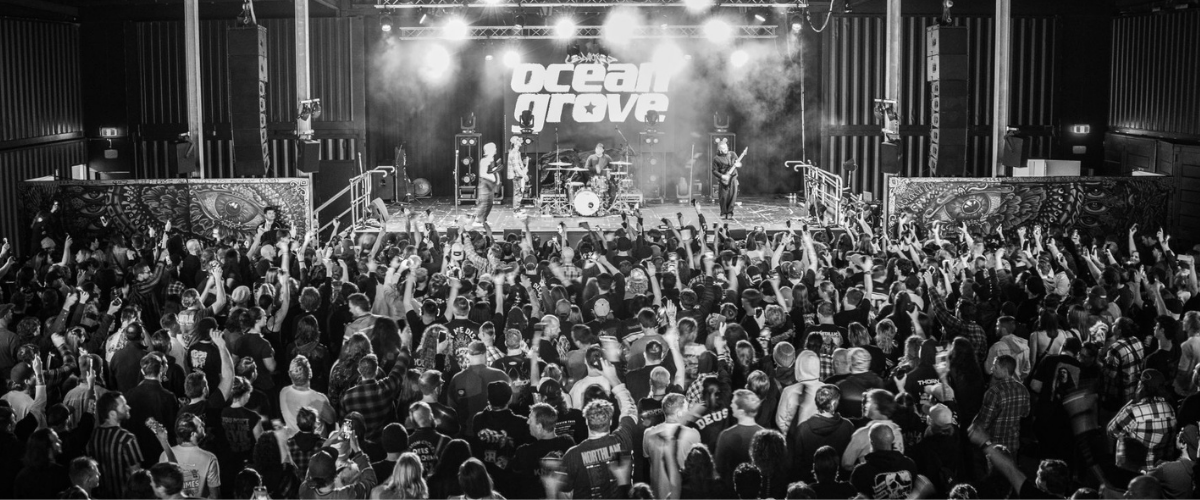
Some venues are also using their spaces for rehearsal sessions, workshops and other daytime activities. Photo by Marc Roberts
Many live music venues sit empty for much of the day.
Some Australian venues are beginning to use their spaces for rehearsal bookings, recording sessions or creative workshops — creating additional income while supporting local musicians.
Others are experimenting with daytime uses such as podcast studios, music lessons, creative workspaces or small business events. These activities can generate additional revenue while strengthening the venue’s role within the broader music ecosystem.
A space that supports musicians during the day is also more likely to become a natural gathering point for the local scene.
Why Licensing and Location Still Matter
One of the biggest challenges for new venues is opening in locations that are not well suited to live music.
Noise complaints, zoning restrictions and licensing requirements can quickly create problems for even well-run spaces. A venue operating in the wrong area may find itself facing ongoing conflicts with residents or local regulations.
Before launching a venue, operators need to carefully consider planning rules, sound management and liquor licensing requirements. Many successful venues work closely with councils and communities to ensure they are operating within the right framework.
A great music venue in the wrong location can struggle regardless of how strong its programming might be.
What the Future of Live Music Venues Might Look Like
Live music venues have always evolved alongside culture.
From jazz clubs and rock pubs to modern creative hubs, the venues that survive are usually the ones willing to adapt to changing audiences and economic realities.
In a challenging financial climate, the future of small live music venues may depend on flexibility. Spaces that diversify their programming, build strong communities and rethink traditional business models are more likely to find ways to stay open.
For regional scenes such as the Sunshine Coast, venues that adapt and diversify may play a crucial role in keeping local live music thriving.
Related Stories on YELO
• Sunshine Coast Musicians Directory
• Rehearsal Spaces on the Sunshine Coast
• Sunshine Coast Gig Guide