








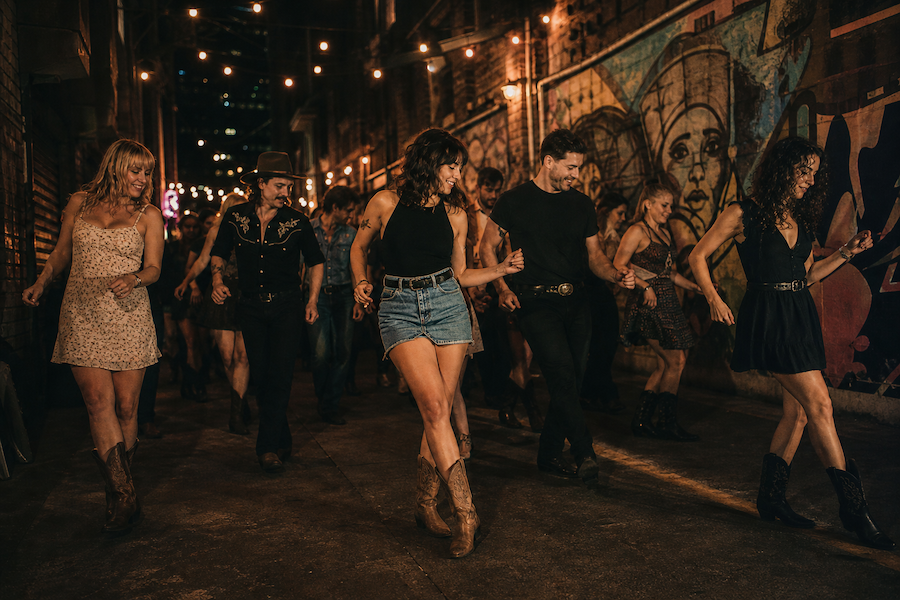

A University of the Sunshine Coast study has found rhythm and movement programs can help preschoolers build stronger social skills, improve behaviour and get ready for school.
At last, science has confirmed what every Queensland wedding, school disco and RSL dance floor already knew: the Nutbush may be doing important community work.
A University of the Sunshine Coast study of more than 200 four-year-olds across South East Queensland has found a rhythm and movement program helped preschool children build stronger social skills and reduce behavioural problems across the transition to school.
The program is called Rhythm and Movement for Self-Regulation, or RAMSR, and it gives children regular chances to move in time with others using rhythm, clapping, tapping sticks, body percussion and group movement.
In other words: not quite a kindy rave, but not a million miles away either.
The classroom dance floor
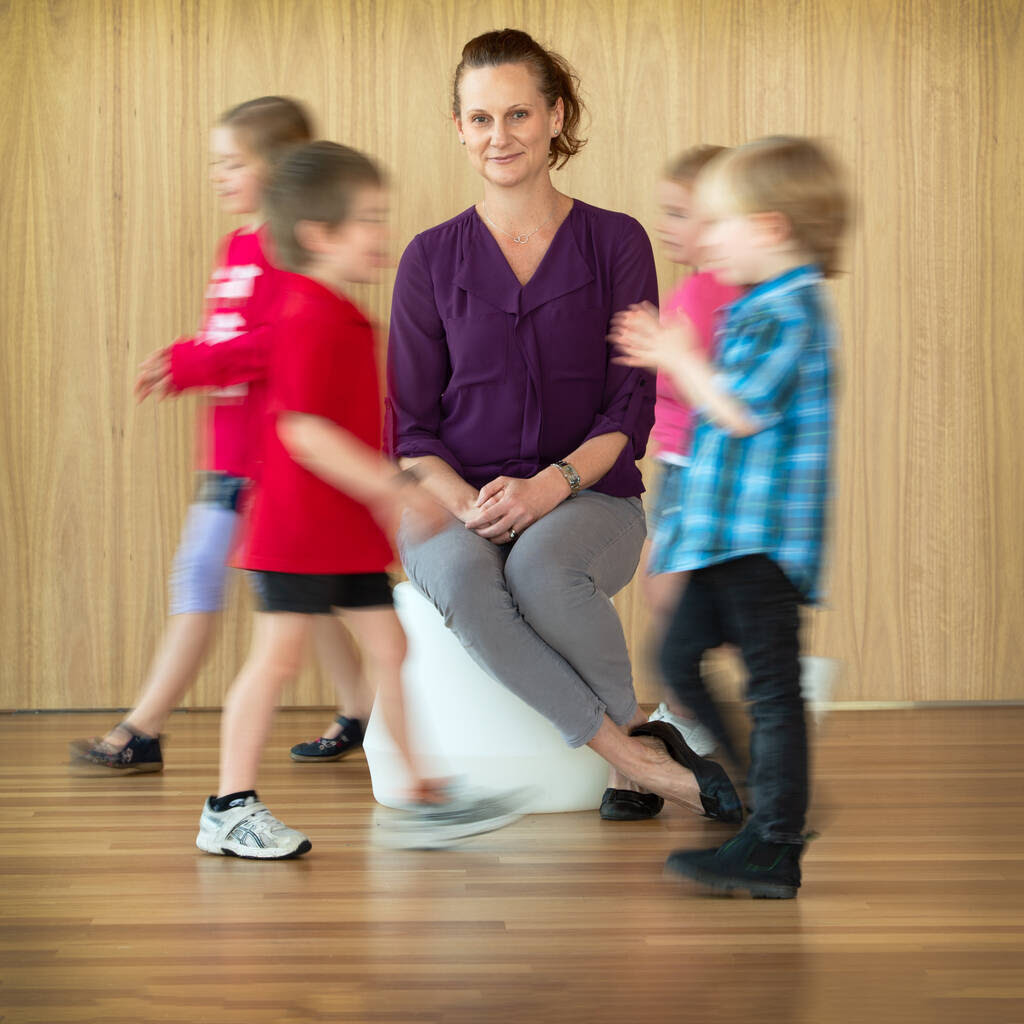
UniSC Professor of Education Kate Williams (pictured) said children who took part in the program showed stronger social skills and fewer behavioural problems than children who did not, right across the move from preschool to school.
Teachers reported increases in prosocial behaviour, including cooperation, helping and positive peer interactions. They also saw reductions in behaviour problems linked to conduct and emotions.
The study was conducted across eight kindergartens in South East Queensland, including communities where low socio-economic status can affect child development.
Professor Williams said the program was delivered by teachers with no prior music background over just eight weeks, showing how responsive young children can be when rhythm and movement are built into the day.
Why rhythm works
RAMSR is different from a general music activity because it is built on developmental neuroscience.
Professor Williams said the rhythm and coordinated movement are intentionally designed to activate brain networks involved in self-regulation, helping children practise focus, impulse control and working together.
The UniSC-led paper, published in the journal Behavioral Sciences in collaboration with QUT and The University of Queensland, follows more than a decade of developing, piloting and evaluating the program.
Earlier research from the same team found the program improved children’s ability to regulate attention, emotions and behaviour, while also supporting impulse control and school readiness.
Yes, this is about the Nutbush now
The findings are not just a local classroom story. A related trial in Hong Kong, reported last month in the journal Child Development, found similar results, suggesting the benefits of rhythm and movement can travel across cultures.
Another study, published in Early Childhood Education Journal in February, looked at what helps and hinders teachers when bringing the program into classrooms.
Professor Williams said it was not surprising that rhythm and movement supported children’s social and emotional development, because humans have used music and movement to connect and regulate behaviour for thousands of years.
The key idea is interpersonal synchrony: people moving in time together. That shared rhythm can build social cohesion and empathy, whether it is happening in a kindy room, on a dance floor, or during a suspiciously serious Nutbush line at a wedding.
“We should all be doing the Nutbush in our workplaces together on a regular basis,” Professor Williams said.
Honestly, she may be right.